Renting in Phuket With a Pet: Which Areas and Property Types Actually Say Yes, Extra Deposits, Vets and Daily Life With a Dog or Cat
The Honest Starting Point
Phuket is not a naturally pet-friendly rental market, and it's better to hear that now than at the viewing stage. Plenty of long-stayers do live happily here with dogs and cats – but they do it in the right property types, in the right areas, with pet terms settled before money changes hands. Assume nothing, get every term in writing, and a smooth month-plus stay is genuinely likely. Wing it, and you'll hear a lot of polite noes.
Property Types: Who Actually Says Yes
Houses and villas say yes most often. With a standalone house and garden, an individual landlord can decide case by case – and many accept a dog or cat, especially for longer leases, sometimes with conditions on size or on the animal staying out of bedrooms. Villas in managed estates vary: the estate's own rules sit above the individual owner's goodwill, so check both layers.
Townhouses are a middle case. Many are in small Thai residential developments where neighbours keep dogs themselves, and acceptance is common – but again, ask, don't assume.
Condos are the hardest, and be honest with yourself about this. Most Phuket condominiums are governed by a juristic person whose building rules ban pets outright, whatever the individual unit owner tells you. An owner saying "it's fine" cannot override the building's rules, and the classic heartbreak story is a renter moved in with a cat, discovered by management in week two. Some smaller, older, low-rise buildings are more relaxed, and a handful of newer developments advertise pet-friendly policies – but they are the exception, so always ask to see the pet policy in the building's actual rules, not just hear it from an agent.
Areas That Tend to Be Easier
The island's residential, expat-settled areas are generally the most pet-practical: Rawai and Nai Harn in the south have a large long-stay community, many houses with gardens, and a culture used to dogs. Chalong is similar – residential, good vet coverage, lots of houses. In the north, Cherng Talay and the Laguna fringe mix villas with good walking territory. Phuket Town's edges offer houses at local prices, though walking space is tighter. The dense resort strips – central Patong above all – are the hardest places to keep a pet well, whatever the lease says. If you're browsing listings from home, the area and property guides at Phuket Rentals are a good starting map before you narrow down to pet-negotiable homes.
Deposits and Terms: Get It in Writing
Expect an owner who says yes to protect themselves, and don't be offended by it. Typical arrangements include an additional pet deposit on top of the standard security deposit (often half a month to a month's rent, sometimes a flat figure), a professional cleaning and defleaing fee at the end of the stay, and clauses covering damage – scratched doors, chewed fittings, garden digging. What's reasonable varies; what matters is procedure: the pet named in the lease or an addendum (breed, size, number of animals), every extra charge written down with its amount, and the end-of-stay cleaning standard described. Take dated photos of floors, doors and furniture at move-in with the pet conversation already settled – it protects you as much as the owner. Verbal "pet OK" from an agent is worth nothing; if it isn't written, it didn't happen.
Bringing a Pet From Abroad vs Adopting Locally
Bringing your own animal is doable but it's a project – start months ahead and work with your vet and the airline. Typically it involves an ISO microchip, up-to-date rabies vaccination with documented timing, a rabies titre test for many origin countries, an export health certificate, and a Thai import permit arranged before travel; animals usually fly as cargo or excess baggage, with inspection on arrival before onward travel to Phuket. Costs add up quickly, which is why many one-season visitors leave their pet with family – and why others adopt locally instead. Phuket has a well-known shelter community (the Soi Dog Foundation in Mai Khao is the famous one) full of dogs and cats needing homes; adopting locally skips the cargo stress, with vaccination and sterilisation usually handled. If you adopt, plan for what happens when you eventually leave – rehoming responsibly or taking the animal with you is part of the deal.
Vets, Groomers and Pet Shops
Phuket is well served once you know the shape of it. There are full-service animal hospitals – including 24-hour emergency care around Phuket Town and Chalong – plus smaller clinics in most residential areas for routine visits and vaccinations. Groomers operate island-wide, many of them mobile, and pet supplies are easy: dedicated pet shops in residential areas, plus pet aisles in the big supermarkets. Boarding and pet-sitting services exist around Chalong, Rawai and Cherng Talay for island-hopping weekends – book ahead in high season, and visit any facility in person before you trust it.
Beaches and Walking Reality
Here's the part brochures skip: dogs are not allowed on most Phuket beaches. Officially, dogs are prohibited on the island's public beaches, signs say so, and enforcement – while patchy – is real enough that a fine or an awkward confrontation is possible, especially on the busy west-coast strands. Many local owners walk very early on quieter stretches and accept the grey area, but arrive knowing the rule, not discovering it. The reliable daily pattern here is land-based: dawn and evening walks in your neighbourhood, around reservoirs and parks where dogs are tolerated, and on rural lanes in the south and north. Watch for the island's own dogs – soi dogs are mostly peaceable but territorial; a lead, a calm detour and no sudden greetings keep walks uneventful.
Daily Life in the Heat
Tropical pet-keeping has its own basics. Pavement burns paws by midday, so walks happen at dawn and dusk and the midday loo break is a two-minute shade dash. Fresh water everywhere, all the time; never leave an animal in a parked car, even briefly. Air-conditioning or at least strong fans where the animal sleeps is close to a necessity, and thick-coated breeds are often clipped shorter than at home. Ticks and fleas are a year-round reality – a monthly preventative from the vet is standard, not optional – and after walks in grass, a quick tick check is routine. Build these habits in week one: most pets adapt to Phuket faster than their owners do.
The Bottom Line
Choose a house or villa in a residential area, get the pet terms in the lease, budget for the extra deposit and the vet's preventatives, and walk at the cool ends of the day. Do those four things and renting in Phuket with a pet stops being a battle and becomes what it should be – just your life, with your animal in it, in a warmer place.
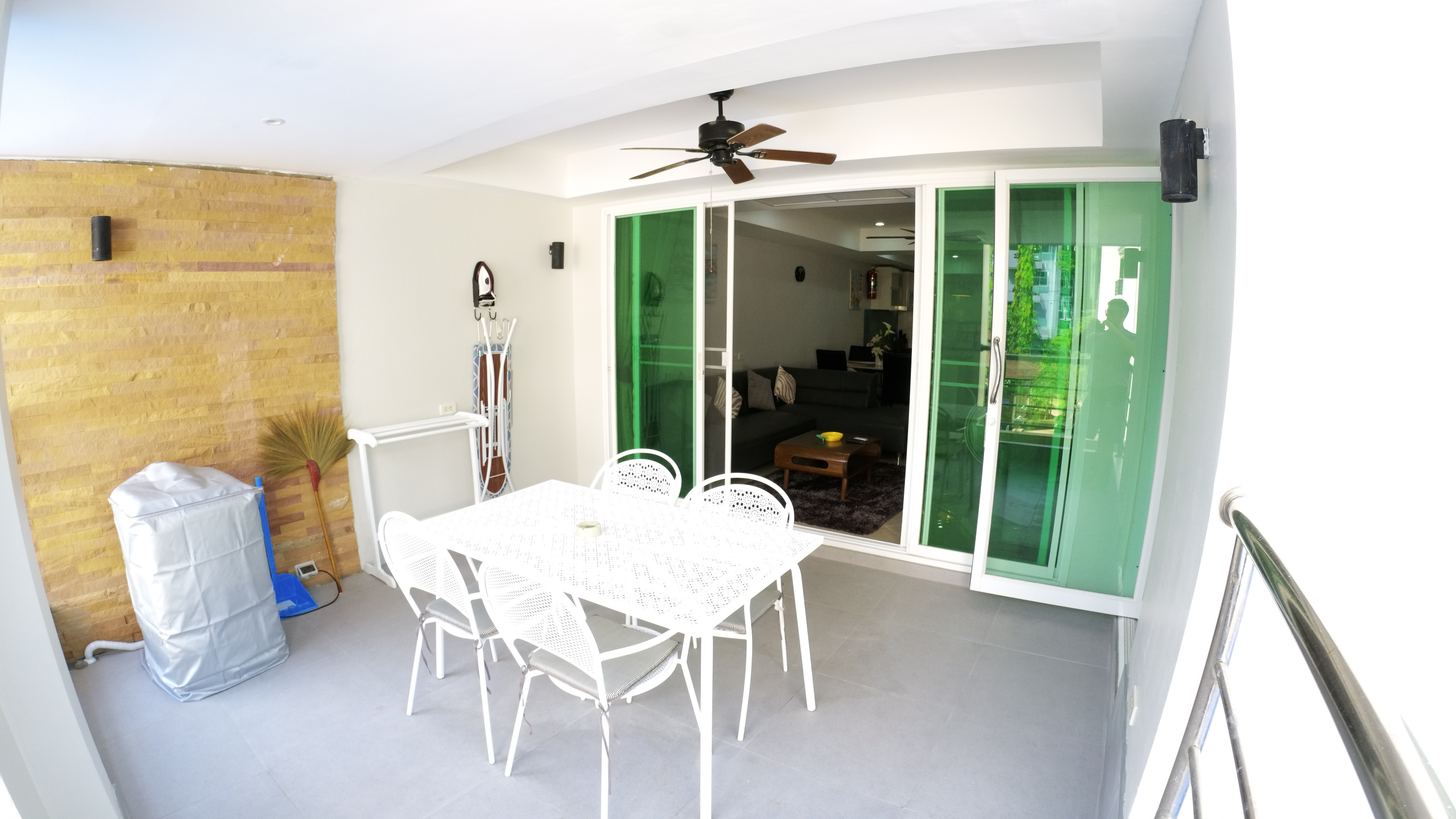
Photo: Patong Harbor View (phvcondo.com) — a private balcony like this one makes condo life much easier with a dog or cat.
About Jay & Scott — Jay and Scott are travelers and writers living in Thailand. We enjoy traveling around Thailand — the food, the beaches, the small towns — and writing about it as we go. Back home in Phuket we run Patong Harbor View, our long-stay condo rentals in Patong. Have a look at the room photos, then come stay a while: phvcondo.com.


Comments
Post a Comment