Renting an Apartment in Patong: The Complete Guide to Monthly Stays by the Beach
A hotel makes sense for a week. Past that, a monthly apartment in Patong is usually the smartest money decision you can make on a Phuket trip — you get a kitchen, a washing routine, space to spread out, and a rent bill that works out cheaper per night than almost any decent hotel. Patong is also the easiest place on the island to live without a car, which is why it has quietly become the default base for month-long stays, winter escapes and slow travellers.
This guide covers what monthly renting in Patong actually looks like: the apartment types, the real price bands, how deposits and bills work (including the one charge that catches every first-timer), where to look, and the red flags to walk away from.
Why Patong works as a monthly base
Patong's reputation is nightlife, but its real strength as a long-stay base is walkability. The beach, Jungceylon mall, the Banzaan fresh market, hundreds of restaurants, pharmacies, laundries, gyms and clinics all sit within a flat, walkable grid. You can live here comfortably for a month without renting a motorbike — something you can't honestly say about most other Phuket beach towns.
The nightlife is there if you want it and easy to ignore if you don't: stay a few streets back from Bangla Road and Patong is just a busy, convenient beach town. Everything runs late, deliveries are fast and cheap, and the sheer number of foreigners living here means English-friendly services everywhere.

The apartment types you'll find
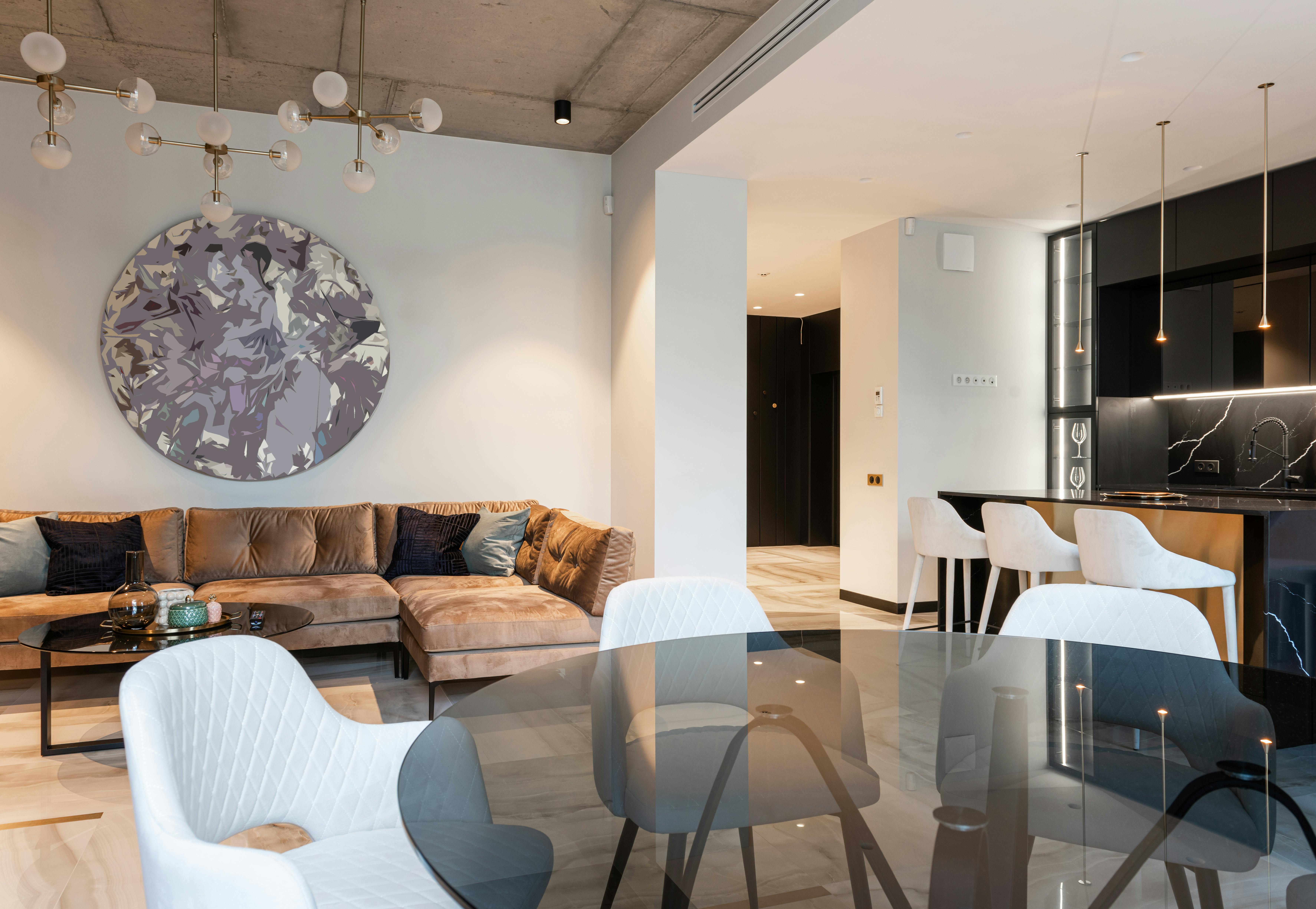
Condo units (the most common monthly rental). Modern-ish condominium buildings with a pool, small gym, security and parking. Studios and one-bedrooms dominate; two-bedrooms exist and suit couples who want a spare room or workers who need an office. Units are privately owned, so quality, furniture and the landlord's responsiveness vary unit by unit in the same building.
Serviced apartments. A hybrid: apartment layout, hotel-style front desk, weekly cleaning and linen changes included. Easier and more predictable, usually 20–40% more than a comparable condo. Good for a first monthly stay while you learn the town.
Small Thai apartment buildings. Older four-to-eight-storey buildings, often family-run, on the back streets. Rooms are simpler — sometimes a bed, wardrobe, small kitchen counter — but the monthly rent can be half a condo's, and the landlords are often flexible. This is where many long-stayers and expats actually live.
Houses and townhouses. Available further back from the beach (Kathu side, the hills), better for families and people with vehicles, less so for a walk-everywhere beach month.
Real monthly price bands
Prices swing hard with the season. High season is roughly November to April; low season (May to October) rents commonly drop 30–50% for the same unit. These are typical asking ranges for monthly stays — most landlords will negotiate a little, especially in low season or for 3+ month commitments.
- Thai apartment building room: about ฿6,000–฿12,000/month
- Studio condo: about ฿12,000–฿22,000 high season, ฿8,000–฿15,000 low season
- One-bedroom condo: about ฿18,000–฿35,000 high season, ฿12,000–฿25,000 low season
- Two-bedroom condo: about ฿30,000–฿55,000 high season, ฿20,000–฿40,000 low season
- Serviced apartment (studio/1-bed): about ฿20,000–฿40,000, less seasonal swing
Sea view, a newer building and a beach-road address push you to the top of every band. Two streets inland on Nanai Road, the same money buys a noticeably better unit.
The standard deal structure
Monthly renting in Thailand runs on a simple, consistent pattern:
- Deposit: usually 1–2 months' rent, refundable at the end if the unit is undamaged. Get the deposit amount and refund conditions in the written agreement, and photograph the unit's condition on move-in day.
- First month upfront: rent is paid in advance, then monthly on the same date.
- Contract length: 1 month minimum is common for condo monthly deals; 3, 6 and 12-month terms get better rates. Longer Thai-building leases run 6–12 months.
- What's usually included: furniture, air-con, TV, basic kitchen gear, wifi in most condos and serviced apartments, building facilities (pool/gym), and parking.
- What's usually extra: electricity, water, and cleaning beyond serviced-apartment schedules.
The big one: electricity billing
This is the charge that surprises every first-time renter, so read it twice. In Thailand you can be billed for electricity two ways:
Government rate — you pay the actual utility tariff, roughly ฿4–5 per unit (kWh). A one-bedroom running air-con sensibly might use 250–450 units a month, so about ฿1,200–฿2,200.
Building rate — the building reads its own meters and charges a markup, commonly ฿7–10 per unit. That same usage now costs ฿2,000–฿4,000+.
The difference over a winter can be thousands of baht, and it is perfectly legal if it's in the agreement — which is why you ask the per-unit electricity rate before you sign, and get it in writing. Air-con discipline matters too: the bedroom unit at night costs a fraction of cooling the whole condo all day.
Water is cheaper and simpler — either a flat ฿100–฿300/month or metered at a modest per-unit rate. Wifi is normally included in condos; in Thai buildings, ask — some charge a small monthly fee. Cleaning runs about ฿400–฿800 per visit from independent cleaners if it isn't included.
Where to look: Patong by area
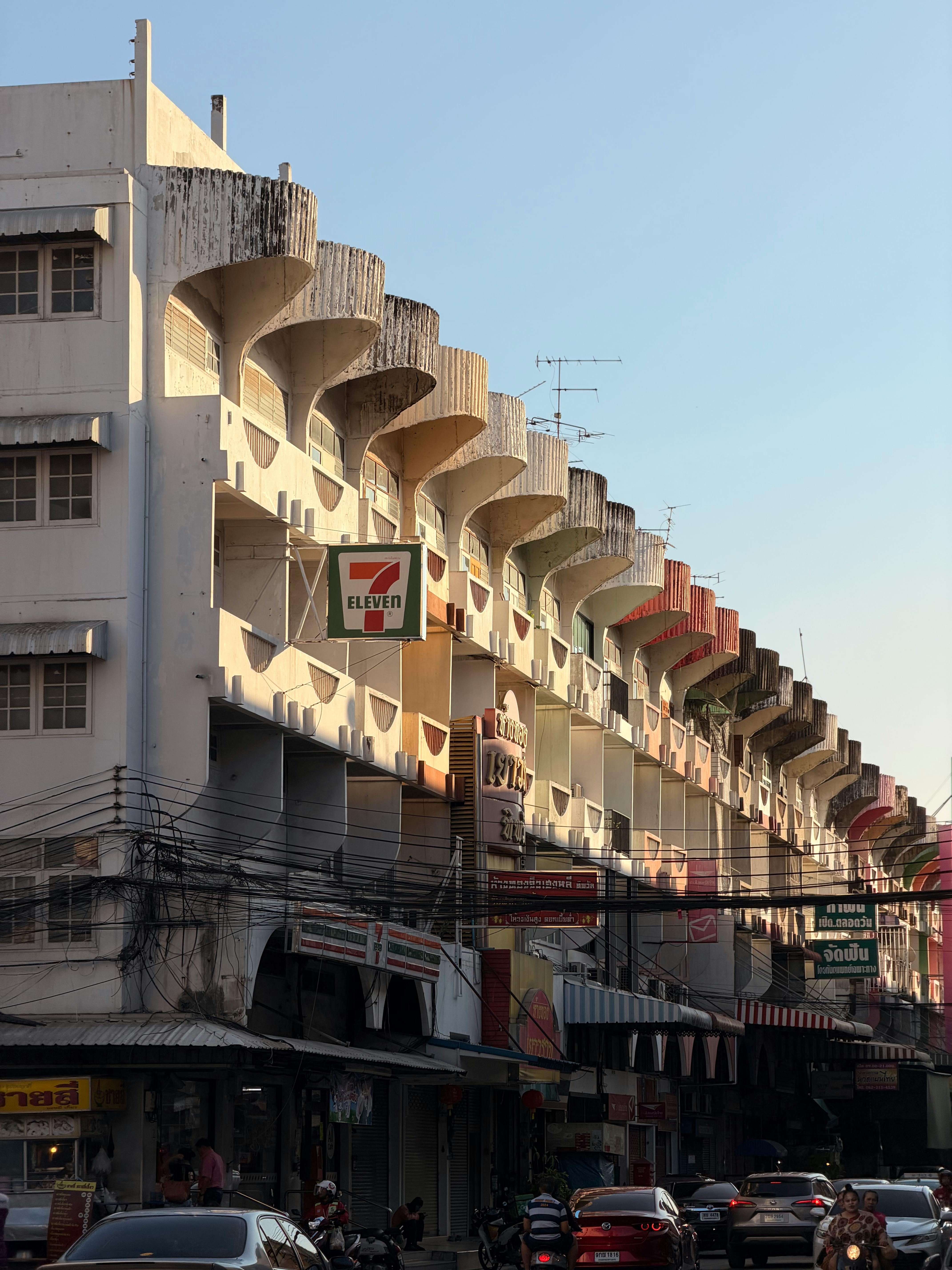
Nanai Road — the value strip. Running parallel to the beach a few hundred metres inland, Nanai is where the smart monthly money goes: condos, serviced apartments and Thai buildings shoulder to shoulder, with local restaurants, bars, laundries and minimarts at local prices. A 10–15 minute walk to the sand. If your budget matters, start here.
Beach Road (Thaweewong Road) — the premium strip. Sea-facing condos and serviced apartments with the view and the price tag to match. You're paying for the balcony and the 60-second walk to the beach.
Rat-U-Thit 200 Pee Road — the middle ground. The second main road back, near Jungceylon and Banzaan Market. Practical, busy, well-served; a good balance of price and convenience, and the mall makes rainy days painless.
North end (Kalim side) — quieter. Past the Novotel hill toward Kalim, the pace drops, the buildings thin out, and it's a short ride or a pleasant walk into town. Suits people who want Patong's convenience without being in the middle of it.
South end — quieter and local. Toward the Merlin Beach side and the Simon Cabaret end of town: more Thai neighbourhood feel, still walkable to the beach, fewer tourists.
Move-in day: the 15-minute checklist
Before the landlord hands over the keys and leaves, walk the unit together and do five things. Photograph the electricity and water meters and note the readings in the agreement — this is your proof of where your billing starts. Test every air-con unit with the remote, run every tap and the shower, and check the water pressure and hot water. Photograph existing marks — wall scuffs, balcony tiles, mattress stains, anything already worn — and send the photos to the landlord the same day so they're timestamped. Ask how things work: wifi password, building gate code, where the rubbish goes, who to call when something breaks, and whether the building allows food deliveries to the door. Finally, confirm the rent due date and how you'll pay — bank transfer is normal and leaves a paper trail. Fifteen unglamorous minutes that prevent nearly every end-of-lease argument.
How to search
Walk-ins still work. In Patong, genuinely. Pick your area, walk it, and go into buildings that look right — condo juristic offices and serviced-apartment front desks handle monthly rentals daily, and Thai buildings often have a phone number banner outside. Two or three days of walking beats a month of scrolling.
Facebook groups. "Phuket apartments for rent" and similar groups are active and landlord-direct in many cases. Fine for finding options — just apply the red-flag checks below before paying anything.
Agents. Local rental agents cost the renter nothing (the landlord pays commission) and are worth using for higher-end units or if your time is short. For budget monthly deals, most people go direct.
Booking direct. For condo units especially, dealing directly with the owner or their own booking site cuts out platform service fees entirely — on a monthly stay, that's real money. More on that at the end of this guide.
Red flags and scams
- Never wire a deposit to hold a unit you haven't seen, especially from a social-media listing using photos that look like a hotel's. If you must reserve from abroad, use a channel with some payment protection and keep it small.
- No written agreement, no deal. Even a simple one-page contract beats a handshake. It should state rent, deposit, electricity rate, and move-out conditions.
- "Government rate" claims — ask to see how it's calculated, or check the meter reading against your first bill.
- Deposit deductions. Photograph everything at check-in (walls, appliances, existing marks), and keep the photos. Most deposit disputes die right there.
- Too-cheap sea-view listings in high season are usually bait — the unit is gone, but a pricier one is available.

Paperwork for foreigners
It's light. You'll need your passport (landlords take a copy), and your landlord is legally required to file a TM30 notification — the report of a foreigner staying at the address — with immigration within 24 hours of you moving in. In practice the landlord or building does this, often online; you just provide your passport details and entry information. It matters because you may need a TM30 record later for immigration errands like a residence certificate, so confirm it's been filed. Keep your own copy of the rental agreement with your passport copy in one folder and you're done.
The direct-booking note
For monthly stays, one route consistently beats the platforms on value: booking a condo directly with the owner. Platform service fees on a month-long booking can add the equivalent of several extra nights, and direct deals usually come with a real conversation about the unit — the electricity rate, what's included, flexible dates — before any money moves. If you're basing yourself in Patong for a month or a season, it's worth pricing the direct route first, then comparing.
Patong rewards renters who do a little homework: pick your street, ask the electricity question, sign a simple agreement, and the town becomes an easy, walkable, beach-side home for as long as you want it.



Comments
Post a Comment