Rental Contracts and Deposits in Thailand for Foreigners: What a Fair Month+ Lease Looks Like and How to Get Your Deposit Back
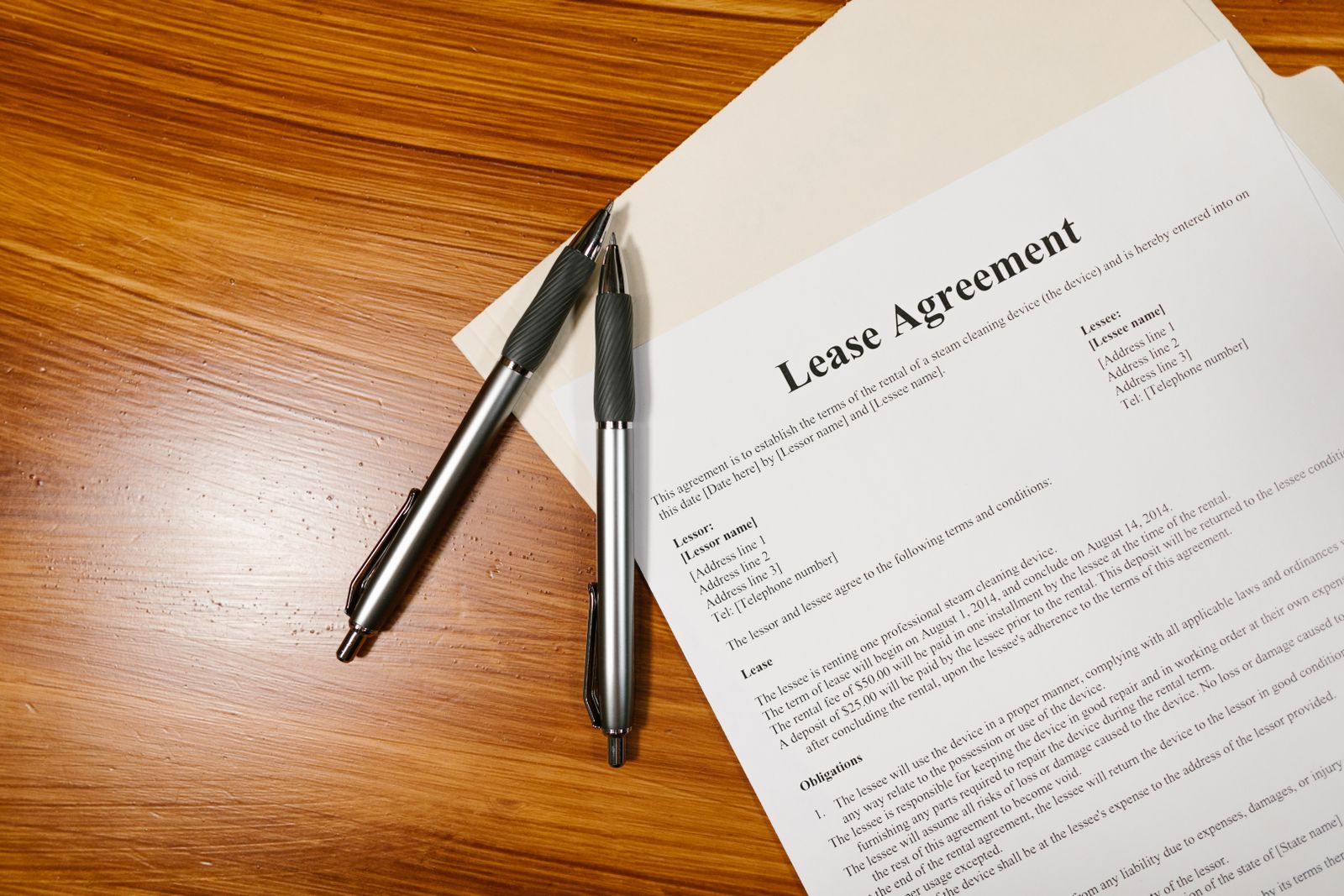
The deposit is the part of renting in Thailand that foreigners worry about most — usually because of stories from people who skipped the paperwork. In practice, Phuket's monthly rental market runs on simple, fairly standard terms, and deposit returns are uneventful when three things happen: the terms are written down, the unit's condition is documented, and everyone behaved like it mattered from day one.
Here's what a fair month-or-longer lease looks like, in plain English, and how to make sure your deposit comes home with you.
What a normal monthly contract includes
A proper rental contract in Thailand is usually a straightforward document of a few pages, often in Thai with an English version alongside (if only a Thai version exists, ask for an English translation — reputable owners and agents provide one). Expect it to state:
- The parties and the property — owner or agent's name, your name as in your passport, the unit address and number
- The term — start and end dates, and the monthly rent amount, in figures and words
- Payment terms — when rent is due each month, and how (bank transfer is normal and gives you a record)
- The deposit — the amount, and the conditions and timeline for its return
- Utility billing — how electricity and water are charged (see below — this clause matters most)
- What's included — furniture, appliances, Wi-Fi, parking, cleaning, pool and gym access
- House rules — guests, smoking, pets, quiet hours, and any building regulations that apply to you
- Notice and early-exit terms — how much notice either side gives, and what happens to the deposit if you leave early
If a contract is missing the deposit amount, the utility rates, or the refund terms, that's not a detail to sort out later — it's the contract telling you to ask now.
Deposits: what's typical
Deposit norms depend on the type of rental:
- Year-long leases (houses and condos on annual contracts): typically two months' rent as a security deposit, plus the first month's rent paid in advance.
- Monthly condo and apartment rentals (the classic 30-day long-stay): typically one month's rent, and some owners instead set a fixed deposit amount — commonly in the region of ฿10,000–20,000 for a 1-bedroom (approximate, varies by unit and owner).
- Shorter or serviced stays: sometimes a smaller fixed deposit or a card hold.
None of these is a rule carved in stone — they are the normal ranges, and the right amount is simply the one written in your contract that you agreed to before paying. Never hand over a deposit against a verbal promise: the figure, and what it covers, should be in the document you sign, and you should get a receipt.
The utilities clause: read this one twice
Electricity is where monthly rental costs in Thailand surprise people, and it comes down to one line in the contract: the per-unit rate.
In Thailand, homes billed directly by the electricity authority pay roughly ฿4–5 per unit (kWh) at residential rates (approximate). In private rentals, owners commonly bill electricity one of two ways:
- At or near the government rate, metered — the fairest and most transparent arrangement, common with straightforward owners.
- At a marked-up per-unit rate — ฿7, ฿8, sometimes more per unit. This is legal and common in apartments and some condos, provided it's stated in the contract. With heavy AC use you might consume 400–800 units a month, so the difference between ฿5 and ฿8 a unit is roughly ฿1,200–2,400 a month — real money, decided by one line of text.
Water is simpler: typically billed per unit from the meter at a stated rate, or a modest flat monthly amount. Either is fine, if it's written.
The rule: the rate per unit for electricity and water must be a number in your contract, and you should photograph both meters on check-in day and check-out day. Those two photos settle every utility question that can ever arise.
Inventory lists: small document, big job
A fair lease for a furnished unit includes — or should have attached — an inventory list: the furniture, appliances, kitchen equipment, linens, and their condition at handover. Good practice:
- Walk the unit with the list in hand on check-in day; note anything missing, damaged, or worn on the list itself, and have both sides initial the notes.
- Photograph the unit thoroughly the same day (our 30-minute inspection approach works just as well for check-in documentation as for viewings): walls, furniture, appliances, and those meter readings.
- Keep the photos somewhere dated and backed up — a message thread with the owner works, because it's timestamped and shared.
The inventory plus photos is the entire factual basis for the deposit conversation at the end. Without them, that conversation runs on memory, and memories differ.
Notice periods and leaving early
For monthly rentals, typical arrangements are:
- Extending: tell the owner as early as you can — good units in high season re-let fast, and a month's notice usually secures your extension.
- Ending on schedule: many monthly contracts simply end on the stated date; confirm the checkout procedure and the final meter reading a few days ahead.
- Leaving early: this is where deposits are most often forfeited. A common and fair term is that the deposit (or a stated part of it) is kept if you break the term without the agreed notice — typically 30 days on longer leases. If there's any chance your plans change, agree the early-exit term before signing, while everyone is friendly. It's a much easier conversation in week one than in week three.
Final cleaning and exit clauses
Most monthly rentals include a final cleaning fee or a cleaning clause — either a stated amount deducted or arranged at checkout, or a requirement to return the unit professionally clean. Typical final-clean costs for a 1-bedroom in Phuket run roughly ฿800–1,500 (approximate) when arranged locally. What's fair: the fee is in the contract, or you return the unit genuinely clean. What's not fair: discovering the fee for the first time at checkout. Ask, and get it written.
Also confirm the practicalities: what time is checkout, who attends the final walk-through, and when the final meter photo happens. A checkout done together, in daylight, with both photo sets on the table, is the smoothest ending there is.
The common deduction disputes — and what prevents them
Almost every deposit disagreement in Phuket comes from the same short list:
| Dispute | What actually prevents it |
|---|---|
| "Damage" that existed before you arrived | Timestamped check-in photos + noted inventory, shared with the owner on day one |
| Utility bill higher than expected | Meter photos in and out + the per-unit rate in the contract |
| Cleaning charged despite your own clean | The cleaning clause read in advance; unit left visibly clean; checkout photos |
| Missing items | The inventory list, checked together at both ends |
| Early departure | The exit term agreed in writing before signing |
Notice the pattern: every single one is prevented by documentation created at the start of the stay, not argued about at the end.
And keep every receipt: rent transfers, deposit payment, any agreed repairs you funded. Bank transfers beat cash precisely because they leave a trail — if you do pay anything in cash, get a signed receipt on the spot.
Realistic refund timelines
On a straightforward monthly rental with no damage and bills settled, deposits in Phuket are commonly returned within about 7–14 days of checkout — often faster, sometimes on the day itself once the final meter reading and utility calculation are done. Longer leases and agency-managed properties may state up to 30 days, which should be the figure in your contract. What's reasonable is whatever the contract says; what's not reasonable is silence. If a refund is late, a polite message referencing the contract clause, your checkout photos, and the final bills usually resolves it — owners who rent monthly to foreigners are in a reputation business.
A practical tip for international renters: agree how the deposit comes back (Thai bank transfer, international transfer, cash at checkout) before you sign. Sorting out transfer fees and exchange rates is a check-in conversation, not a checkout argument. If you're comparing offers, seeing the current monthly rates alongside typical deposit terms makes it easy to judge whether a deal is standard or an outlier.
The golden rules
- Everything in writing — rent, deposit, utility rates, cleaning, notice. If it was said, it can be written; if it can't be written, discount it.
- Photos in, photos out — the unit and both meters, timestamped and shared with the owner at both ends.
- The inventory is a two-person job — walk it together, note the flaws, both initial.
- Pay by transfer, keep every receipt.
- Agree the awkward things early — early exit, cleaning fee, refund method and timeline — while everyone is smiling.
Follow those five and the deposit stops being a worry at all: it becomes the most boring part of your stay, returned on schedule while you're planning the next one. Browse current long-stay options across the island at Phuket Rentals — and rent the smart way, on paper, from day one.
Book Direct & Save 20% — reserve your Patong condo stay directly at phvcondo.com
Call or WhatsApp: tel:+66800528082


Comments
Post a Comment