Proof of Income, References and Rental History for a Phuket Lease: What Landlords and Agents Actually Ask Foreigners For
"What will they want from me?" is the question every first-time Phuket renter asks about paperwork — usually with a faint worry that the answer involves a Thai guarantor, a police certificate and a blood sample. The reality is calmer and more practical than the fear: landlords here mostly want evidence of two things — that you can pay, and that you'll behave — and they accept that evidence in forms that make sense for foreigners. Here's what actually gets asked, what actually gets accepted, and how to arrive with a folder that makes the whole conversation take ten minutes.
What Landlords Are Really Checking
Strip it down and every check serves one question: if something goes wrong, am I covered? That's why the system's centre of gravity is the deposit. References and documents support the deposit; they don't replace it. A renter who understands that reads every request correctly — the landlord isn't building a court case, they're sizing up risk, and the tenant who presents as low-risk on paper usually is low-risk in person.
The standard shape of a Phuket long-stay deal reflects this: rent monthly, a security deposit alongside it (commonly a month of rent on long stays), utilities metered or billed as agreed, and the whole arrangement in a written lease. Against that background, the "checks" below are mostly conversation, not investigation.
Proof of Income: What Counts for Foreigners
There's no single Thai standard form for this, which is good news: landlords and agents accept a range of sensible evidence. What commonly works, roughly in order of how often it's accepted without argument:
- An employment letter — on company letterhead, stating role, salary and start date. For people working in Thailand, paired with the work permit, this is the gold standard and usually ends the discussion.
- Recent bank statements — home-country or Thai, showing salary credits or a healthy balance. Screenshots and PDFs are routinely accepted; a statement showing a balance comfortably covering several months of rent answers the question by itself.
- Pension or investment income evidence — pension statements and annuity letters work well for retirees; a long history of regular monthly income reads as stability, which is the actual thing being assessed.
- Remote-work evidence — a contract, a client's letter, or platform income history. Landlords renting to remote workers all over Phuket are used to this shape of income now; regularity matters more than employer fame.
- Proof of funds for the stay — for a defined stay (six months, say), simply showing the means to cover the whole term can replace the income conversation altogether.

A bank statement showing the means to cover the stay answers most landlord questions before they're asked.
References: The Informal Network That Does the Work
Formal reference letters carry less weight here than arriving renters expect; the informal network carries more. A previous Thai landlord who'll confirm you left the place clean and paid on time is worth more than a folder of certificates — which is why keeping good relations at checkout, and getting that landlord's contact permission, pays forward into your next lease. Agents, too, are a reputation system: an agent who has placed you once will vouch for you the second time, because their credibility with landlords is their business.
First-timers without a Thai track record aren't stuck — the deposit does the talking, the documents above do the supporting, and six months of clean payment history converts you into a referenced tenant for everywhere you rent next. Everyone in the long-stay community started exactly there.
Your ID and Visa: What Gets Copied, and Why
Expect your passport to be copied — it's both your ID for the lease and the basis of the TM30 address report the landlord must file with immigration for foreign tenants. Your visa status matters in a practical way rather than a judgemental one: the lease length has to fit inside a lawful stay, and landlords renting monthly-and-up are renting inside the framework of the 30-day-minimum rules and immigration reporting. Bring the passport, the visa/entry evidence, and (if employed here) the work permit to the signing, photographed and physical, and the admin side of the lease takes minutes.

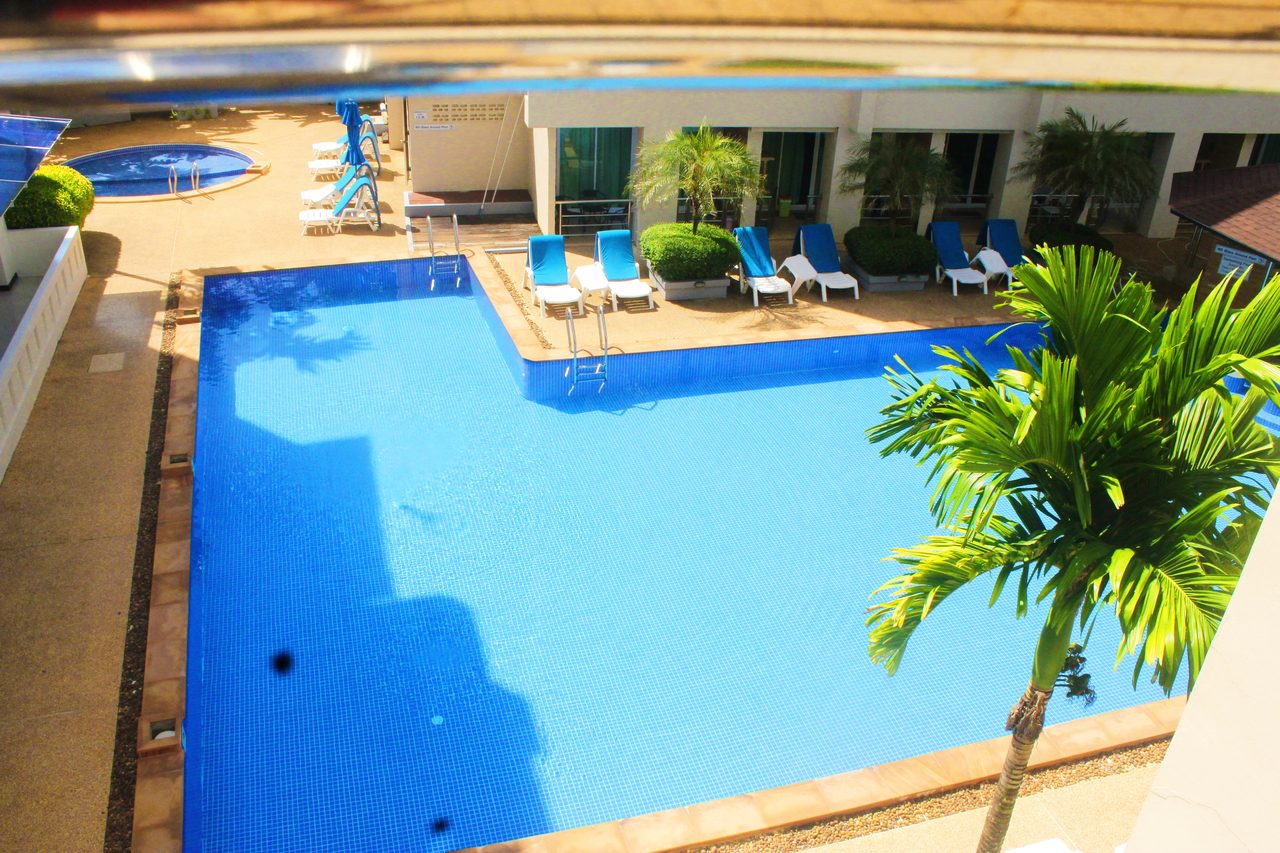
Ten minutes of paperwork, then this. The folder is small; the stay is long.
What Is NOT Normally Required
Equally calming is the list of things Phuket landlords generally do not ask for: a Thai guarantor or co-signer; a Thai credit check (the system doesn't work that way for foreigners); police certificates for a rental; employer references phoned and interrogated; or your home-country rental history translated and certified. If a particular landlord demands an unusual pile, it's usually a signal about that landlord's risk appetite rather than a market norm — and the market here is deep enough that you can simply rent from someone whose requirements match the normal shape above.
The Ten-Minute Folder: A Packing List
- Passport (original + a clear photo/scan) and visa/entry evidence.
- Work permit or employment letter, if you work in Thailand.
- One proof-of-income item from the list above — letter, statements, or pension evidence.
- Proof of funds for the stay, if your situation is savings-based.
- A previous landlord's contact, if you have one and they're willing.
- The deposit, ready to move — in Thailand that usually means a bank transfer you can execute on signing day.
Assemble that before you start viewing, and two things happen: every landlord conversation gets shorter, and you get taken seriously as what you are — a tenant who has their act together. In a market where the best units go to the easiest tenants, that folder is worth real money.
About Jay & Scott — Jay and Scott are travelers and writers living in Thailand. We enjoy traveling around Thailand — the food, the beaches, the small towns — and writing about it as we go. Back home in Phuket we run our condo rentals in Patong at Patong Harbor View in Patong, and the details are all here: phvcondo.com.


Comments
Post a Comment